Dental Services

Removable Prostheses: What They Are and What to Expect

What Is a Removable Prosthesis?

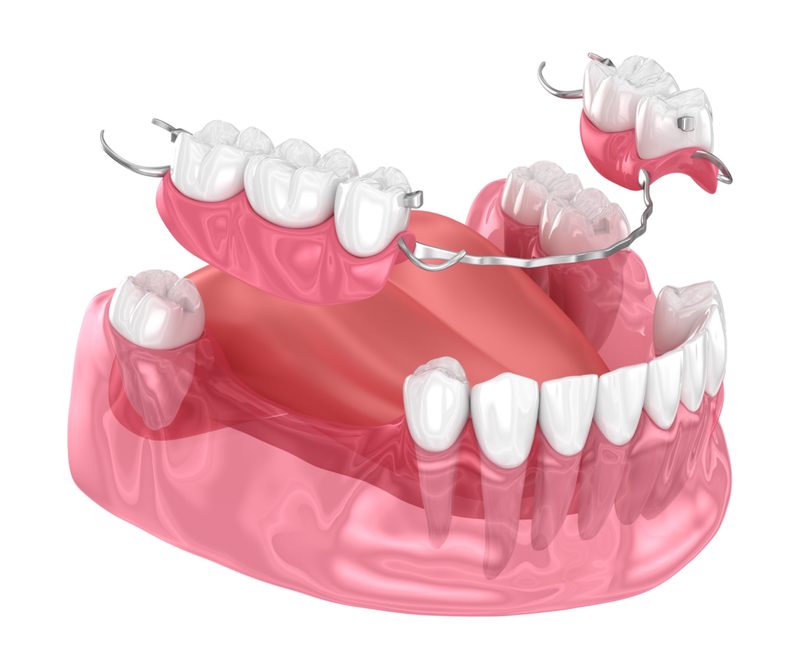
A removable prosthesis is a custom-made appliance that replaces missing teeth and the surrounding gum tissue, and can be taken out of the mouth for cleaning and sleeping. Unlike implants or bridges, which are permanently fixed in place, removable prostheses are designed to be inserted and removed by the patient with ease. They are a time-tested, accessible solution for restoring your smile, improving chewing ability, and supporting the natural shape of your face.

There are two main types: partial dentures and complete (full) dentures.

What Do Removable Prostheses Treat?

Removable prostheses are recommended in a variety of situations, including:

  • Multiple missing teeth: When several teeth are missing throughout the mouth, a partial denture fills the gaps and restores function without requiring surgery.
  • Full tooth loss: When all teeth are missing on the upper arch, lower arch, or both, a complete denture replaces the entire set of teeth and restores a natural appearance.
  • Teeth that cannot be saved: When remaining teeth are too damaged or diseased to restore, extraction followed by a full denture may be the most appropriate path forward.
  • Patients not candidates for implants: Those with significant bone loss, certain medical conditions, or other factors that make surgery inadvisable may find removable prostheses to be the best fit.
  • Preventing facial collapse: When teeth are lost, the jawbone gradually shrinks and the facial muscles lose support, causing a sunken appearance. A well-fitted denture helps maintain the natural contours of the face.
  • Transitional or immediate needs: A temporary denture — called an immediate denture — can be placed the same day teeth are extracted, so patients are never without teeth during the healing process.
removable-prosthesis

Types of Removable Prostheses

Partial Dentures

A partial denture is used when some natural teeth remain. It consists of one or more replacement teeth attached to a gum-colored base, which is connected to the mouth using one of the following:

  • Metal clasps: Small, discreet metal attachments that hook onto neighboring natural teeth for stability.
  • Precision attachments: Nearly invisible connectors that attach to crowns placed on neighboring teeth for a more seamless look.
  • Flexible partial dentures: Made from a softer, more pliable material that blends naturally with the gum tissue and offers a comfortable, metal-free option.

Complete (Full) Dentures

A complete denture replaces all of the teeth on the upper or lower arch. The prosthesis rests directly on the gum tissue and, in the case of upper dentures, uses gentle suction against the palate for added stability. Lower dentures tend to be slightly less stable by nature due to the shape of the lower jaw, but proper fit and adhesive products can help.

Implant-Supported Dentures

For patients who want the convenience of a removable prosthesis with added stability, implant-supported dentures offer the best of both worlds. Two to four implants are placed in the jawbone and serve as anchors for the denture, which snaps securely into place and can still be removed for cleaning. This option significantly improves chewing power, comfort, and confidence.

How Is a Removable Prosthesis Made and Fitted?

The process typically takes place over several appointments spanning a few weeks to a couple of months, depending on the complexity of your case:

Appointment 1

Initial Impressions

Your dentist takes preliminary impressions of your mouth to create study models. These models help plan the design of your prosthesis and ensure the final fit is as accurate as possible.

Appointment 2

Bite Registration and Measurements

Detailed measurements are taken to record how your upper and lower jaws relate to one another, the appropriate vertical height of your bite, and the ideal positioning of the replacement teeth. Shade and shape selections are made at this visit so the final prosthesis matches your natural appearance.

Appointment 3

Wax Try-In

A trial version of the denture — with the teeth set in wax — is placed in your mouth so you and your dentist can evaluate the fit, appearance, and bite before anything is finalized. This is the opportunity to make adjustments to tooth position, size, or color. Your feedback at this stage is important and encouraged.

Appointment 4

Delivery of the Final Prosthesis

The finished prosthesis is placed in your mouth and carefully adjusted for comfort and bite. Your dentist will walk you through how to insert and remove it, how to care for it, and what to expect during the adjustment period.

Follow-Up Appointments

One or more follow-up visits are typically scheduled in the weeks after delivery to make any minor adjustments. As your gums settle and adapt, small refinements to the fit are completely normal and expected.

What Can You Expect Afterward?

Adjusting to a new removable prosthesis takes time and patience. In the first few weeks, you may notice:

  • Increased saliva production as your mouth adapts to the new appliance
  • Minor soreness in the gums, particularly in areas where the prosthesis contacts soft tissue
  • Changes in speech such as a temporary lisp, which resolves as your tongue adjusts
  • Some difficulty chewing at first — starting with soft foods and gradually reintroducing others helps ease the transition

Most patients feel comfortable and confident with their prosthesis within 4 to 8 weeks.

Caring for Your Removable Prosthesis

Proper care extends the life of your prosthesis and protects your oral health:

  • Remove and rinse your prosthesis after every meal
  • Brush daily with a soft denture brush and mild denture cleanser — never regular toothpaste, which can scratch the surface
  • Soak overnight in a denture solution or plain water to keep the material from drying out and warping
  • Clean your gums and any remaining teeth each day with a soft toothbrush
  • Handle with care — dentures are fragile and can crack or break if dropped

With proper care, a well-made removable prosthesis typically lasts 5 to 10 years before relining or replacement is needed. Over time, natural changes in the jawbone and gum tissue can affect the fit, so regular dental checkups remain important even for patients with full dentures.

Your dental team is here to support you through every step of the process and make sure your prosthesis fits comfortably and works beautifully for years to come.