Dental Services

Tooth Whitening: What It Is and What to Expect

What Is Tooth Whitening?

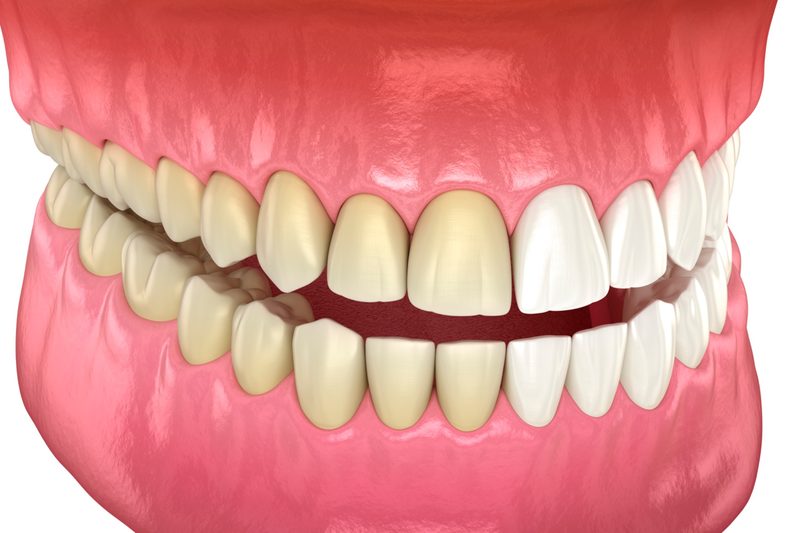
Tooth whitening is one of the most popular and accessible cosmetic dental treatments available — and for good reason. It is a safe, non-invasive, and highly effective way to brighten the color of your teeth and restore a more youthful, vibrant appearance to your smile. Whether performed in the dental office or at home with a dentist-prescribed kit, professional tooth whitening delivers results that over-the-counter products simply cannot match.

Whitening works by using a peroxide-based bleaching agent that penetrates the outer layer of the tooth and breaks apart the chemical compounds responsible for staining and discoloration. The result is a noticeably brighter smile — often several shades lighter — without any alteration to the tooth’s structure or shape.

What Does Tooth Whitening Treat?

Tooth whitening is most effective on stains and discoloration caused by external factors — meaning things that affect the outer surface of the tooth. It is less effective, or not effective at all, on certain types of internal discoloration. Understanding the difference helps set realistic expectations.

Whitening works well for:

  • Food and beverage staining: Coffee, tea, red wine, dark sodas, and deeply pigmented foods such as berries and tomato sauce are among the most common culprits of surface staining. Whitening effectively lifts and disperses these deposits.
  • Tobacco staining: Yellowing and browning caused by smoking or chewing tobacco responds well to professional whitening treatment.
  • Age-related discoloration: As we age, the outer enamel layer naturally thins and the inner layer of the tooth — called dentin, which is naturally more yellow — becomes more visible. Whitening brightens the enamel and reduces the appearance of this underlying color.
  • General yellowing or dullness: Teeth that have simply lost their luster over time, without a specific identifiable cause, typically respond very well to whitening.

Whitening is less effective or ineffective for:

  • Tetracycline or antibiotic staining: Teeth that were discolored during development due to certain antibiotic use tend to have deep internal staining that whitening agents cannot fully penetrate. Results may be limited, and alternative treatments such as veneers or bonding may be more appropriate.
  • Fluorosis: Excess fluoride exposure during tooth development can cause white spots or brown streaking that does not respond predictably to whitening.
  • Internal discoloration from trauma or root canal treatment: A tooth that has darkened following an injury or root canal has staining originating from within the tooth itself, which requires a specialized internal whitening technique or an alternative cosmetic solution.
  • Crowns, veneers, and composite restorations: Whitening agents do not affect the color of dental restorations. If you have crowns, veneers, or bonding on visible teeth, whitening your natural teeth may create a mismatch in color. Your dentist will factor this into your treatment plan.
  • Severe enamel erosion or very sensitive teeth: Patients with significantly thinned enamel or chronic sensitivity may not be good candidates for whitening, or may require a modified approach.

Your dentist will evaluate your teeth and discuss what level of improvement is realistic for your specific situation before recommending a whitening approach.

teeth-whitening

Types of Professional Tooth Whitening

In-Office Whitening

In-office whitening — sometimes referred to by brand names such as Zoom or Opalescence Boost — is the fastest and most powerful whitening option available. The entire treatment is performed by your dental team in a single appointment and can lighten teeth by several shades in roughly 60 to 90 minutes.

This option is ideal for patients who want immediate, dramatic results — before a special event, wedding, or simply because they want the fastest path to a brighter smile.

Combination Whitening

Many dentists recommend a combination approach — beginning with an in-office session for an immediate boost, followed by a take-home kit to maintain and deepen the results over the following weeks. This is often considered the most comprehensive whitening protocol and delivers the most lasting outcome.

Take-Home Whitening Kits

Dentist-prescribed take-home whitening kits use custom-fitted trays made from a precise mold of your teeth, paired with a professional-strength whitening gel. Because the trays fit your teeth exactly, the gel stays in full contact with every tooth surface and does not spill onto the gums — making them significantly more effective and comfortable than generic over-the-counter strips or trays.

Take-home kits are worn for a prescribed amount of time each day — typically 30 minutes to a few hours, or in some cases overnight — for a period of 1 to 2 weeks, depending on the concentration of the gel and the degree of whitening desired. Results are gradual but excellent, and many patients prefer this approach because it allows them to control the pace of their treatment and touch up as needed over time.

How Are Take-Home Kits Made and Used?

Tray Fabrication
An impression or digital scan of your teeth is taken at the dental office and used to create a set of thin, flexible custom trays that fit your teeth precisely. These are typically ready within a few days and are reusable for future touch-up treatments.

Using the Kit
Your dentist will provide you with a supply of professional whitening gel in syringes and clear instructions on how much gel to use, how long to wear the trays, and how frequently to use them. A small amount of gel is placed into each section of the tray, the trays are seated over the teeth, and any excess gel is wiped away from the gums. After the prescribed wear time, the trays are removed and the teeth are rinsed.
Most patients begin to notice results within the first few days of use, with full results becoming apparent after one to two weeks of consistent treatment.

How Is In-Office Whitening Performed?

1

Pre-Treatment Evaluation

Before whitening begins, your dentist will examine your teeth and gums to confirm you are a good candidate. Any existing decay or gum disease will need to be addressed first, as whitening agents can irritate unhealthy tissue. A shade assessment is taken so you can clearly see the improvement at the end of treatment.
2

Protecting the Soft Tissue

A protective barrier is applied to your gums and lips to shield them from contact with the whitening gel. This is an important step that distinguishes professional whitening from at-home products and significantly reduces the risk of gum irritation.
3

Applying the Whitening Gel

A professional-strength hydrogen peroxide gel is carefully applied to the surface of each tooth. The concentration used in a dental office is considerably higher than anything available over the counter, which is what makes professional results so noticeably superior.
4

Activation

Depending on the system being used, a specialized light or laser may be directed at the teeth to activate and accelerate the whitening gel. The gel is typically left in place for 15 to 20 minutes per application, and the process is repeated two to three times within the same appointment for maximum effect.
5

Rinsing and Shade Assessment

The gel is thoroughly rinsed away and the protective barriers are removed. A final shade comparison is taken so you can see exactly how many shades brighter your teeth have become — a moment most patients find very satisfying.
What Can You Expect Afterward?

Sensitivity
Tooth sensitivity during and after whitening is the most common side effect and is experienced by many patients to varying degrees. It typically presents as a brief, sharp sensation — sometimes called “zingers” — in response to temperature or air. This sensitivity is temporary and almost always resolves within 24 to 48 hours after treatment. Your dentist may recommend using a sensitivity toothpaste in the days leading up to and following whitening to minimize discomfort, or may prescribe a fluoride treatment to strengthen the enamel beforehand.

The White Diet
In the 24 to 48 hours immediately following whitening, your teeth are more porous and susceptible to re-staining. During this window, it is advisable to avoid deeply pigmented foods and beverages — coffee, tea, red wine, tomato sauce, berries, soy sauce, and similar items — as well as tobacco. Sticking to lighter-colored foods during this period helps protect and preserve your results.

How Long Do Results Last?
With proper care, professional whitening results typically last 1 to 3 years, though this varies considerably depending on diet, oral hygiene habits, and lifestyle factors such as tobacco use. Patients who drink a lot of coffee or tea may notice gradual re-staining sooner. Periodic touch-ups with your take-home trays — perhaps once or twice a year — are a simple and cost-effective way to maintain your results long term.

Tooth whitening is one of the easiest ways to make a significant impact on the appearance of your smile. A brighter smile can boost confidence, enhance your appearance, and leave a lasting impression — and with professional guidance, it can be achieved safely, comfortably, and effectively. Your dental team is happy to help you find the whitening approach that is right for you.
Caring for Your Whitened Smile
  • Brush twice daily with a whitening or fluoride toothpaste to help maintain your results and protect enamel
  • Floss daily to keep the areas between teeth clean and free of stain-trapping buildup
  • Rinse with water after consuming staining foods or beverages when brushing is not immediately possible
  • Use a straw when drinking coffee, tea, or other staining beverages to minimize direct contact with tooth surfaces
  • Avoid tobacco in all forms, which is one of the fastest ways to undo whitening results
  • Schedule regular cleanings — professional cleanings remove surface buildup that contributes to dullness and staining, keeping your smile looking its best between whitening treatments
  • Touch up as needed with your custom take-home trays to refresh your results over time
A Note on Over-the-Counter Whitening Products

Whiteboard strips, paint-on gels, and drugstore whitening trays are widely available and can produce modest improvements for mild staining. However, they use lower concentrations of whitening agents, fit less precisely, and deliver results that are generally less dramatic and less consistent than professional treatment. If you have tried over-the-counter products without satisfying results, professional whitening is very likely to make a meaningful difference.