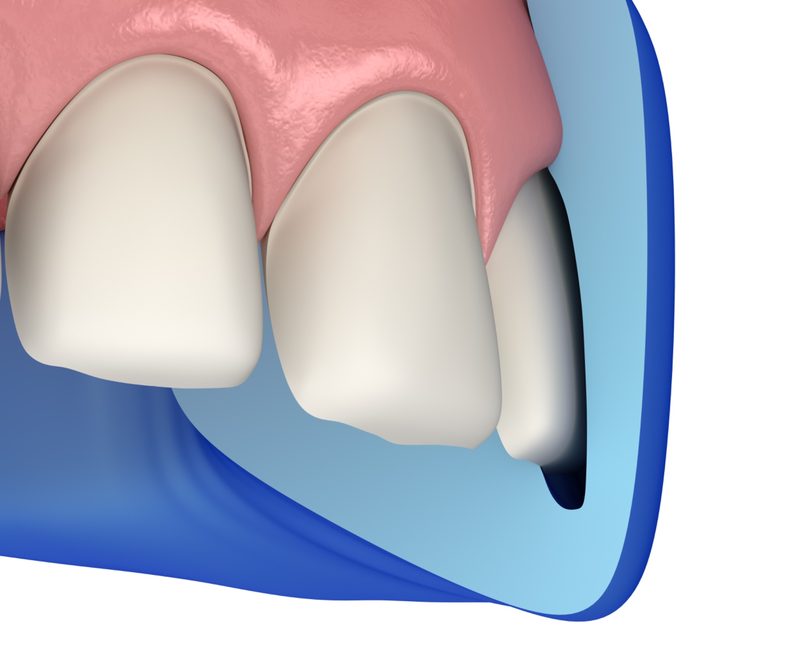
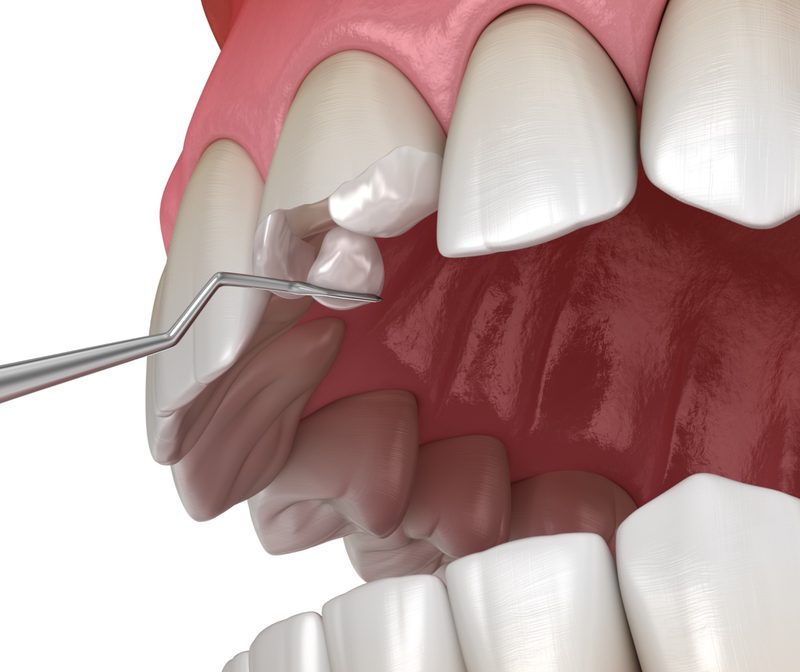
Cosmetic bonding is one of the simplest, most affordable, and most versatile treatments in dentistry. It involves applying a tooth-colored composite resin material directly to the surface of a tooth, sculpting it by hand into the desired shape, and hardening it with a special curing light — all in a single appointment, with little to no alteration of the natural tooth underneath.
Unlike veneers or crowns, which are fabricated in a dental laboratory and require multiple visits, cosmetic bonding is performed entirely chairside by your dentist. It is an ideal solution for patients who want to make meaningful improvements to their smile quickly, comfortably, and without a significant financial commitment.
Cosmetic bonding is a remarkably flexible treatment that can address a wide range of aesthetic concerns, including:
- Chipped or cracked teeth: One of the most common uses for bonding. A chip — whether from an injury, biting something hard, or everyday wear — can be rebuilt seamlessly to restore the tooth’s original shape and appearance.
- Gaps between teeth: Small to moderate spaces between teeth, particularly in the front of the mouth, can be closed by adding composite resin to the sides of the neighboring teeth, creating a fuller, more even smile.
- Discoloration and staining: Teeth with stubborn stains that do not respond to whitening — such as those caused by certain medications, fluorosis, or internal discoloration — can be covered with bonding for a brighter, more uniform appearance.
- Uneven or irregular tooth shape: Teeth that are pointed, uneven in length, or irregular in contour can be reshaped and refined to create a more balanced, harmonious smile.
- Undersized teeth: Teeth that appear too small or short relative to the surrounding teeth can be built up in size to improve proportion and symmetry.
- Minor misalignment: Teeth that are slightly rotated or appear crooked can often be given a straighter appearance through careful contouring and addition of composite — without any orthodontic treatment.
- Exposed root surfaces: When gum recession exposes the sensitive root surface of a tooth, bonding can cover and protect the area, reducing sensitivity and improving appearance.
- Worn enamel: Teeth that have been worn down from grinding or acid erosion can be restored in shape and length with bonding to bring them back to a healthy, natural appearance.
- Protecting exposed tooth roots: In addition to cosmetic concerns, bonding can serve a protective function by sealing vulnerable root surfaces against decay and sensitivity.