Dental Services

Veneers: What They Are and What to Expect

What Are Dental Veneers?

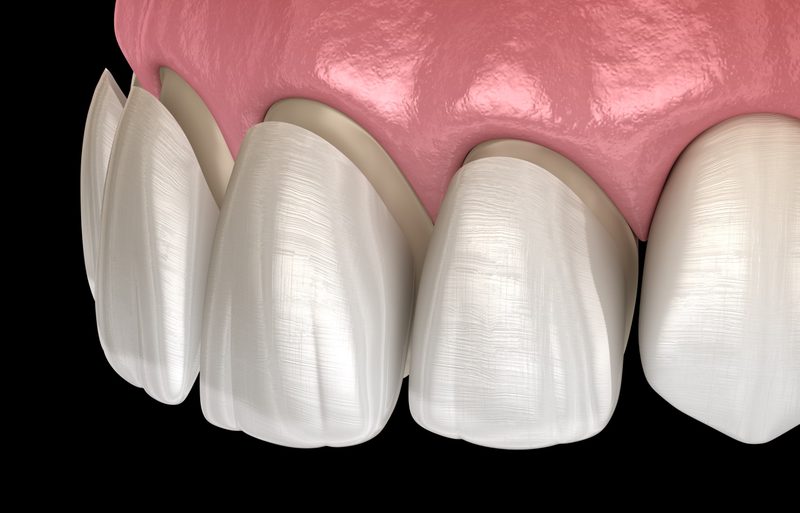
Dental veneers are ultra-thin, custom-made shells bonded to the front surface of your teeth to improve their appearance. Think of them as a precise, natural-looking facade that transforms the color, shape, size, and overall look of your smile. Veneers are most commonly made from porcelain, which closely mimics the light-reflecting properties of natural tooth enamel, or from composite resin, which can often be applied in a single visit.

Veneers are one of the most popular cosmetic dental treatments available because they deliver dramatic, long-lasting results with a relatively straightforward process. They are individually crafted to complement your facial features, skin tone, and smile goals — no two sets of veneers are exactly alike.

What Do Veneers Treat?

Veneers are primarily a cosmetic solution, addressing concerns related to the appearance of your teeth rather than their function or health. Common reasons patients choose veneers include:

  • Permanent discoloration or staining: Teeth that are deeply stained from tetracycline antibiotics, excessive fluoride, root canal treatment, or other causes that do not respond to whitening are excellent candidates for veneers.
  • Chipped or worn teeth: Minor chips, small fractures, or teeth that have been worn down over time can be fully restored in shape and appearance with veneers.
  • Gaps between teeth: Small to moderate spaces between teeth — particularly in the front of the mouth — can be closed beautifully without orthodontic treatment.
  • Mildly misaligned or uneven teeth: Teeth that are slightly crooked, uneven in length, or irregular in shape can be given a straighter, more uniform appearance with veneers — sometimes referred to as “instant orthodontics.”
  • Undersized or disproportionate teeth: Teeth that appear too small for the mouth or seem mismatched in size can be built up to a more balanced, harmonious proportion.
  • Worn enamel: Enamel that has thinned due to acid erosion or grinding can leave teeth looking dull and yellowed. Veneers restore a bright, healthy appearance.
  • Smile makeovers: Patients seeking a comprehensive transformation of their overall smile often choose a full set of veneers across the upper — and sometimes lower — front teeth for a cohesive, polished result.

dental-veneers

Types of Veneers

Porcelain Veneers

Porcelain veneers are the most widely chosen option due to their exceptional durability, lifelike translucency, and stain resistance. They are fabricated in a dental laboratory from a precise impression of your teeth and typically require two appointments to complete. Porcelain veneers are a long-term investment in your smile and can last 10 to 20 years or more with proper care.

Composite Resin Veneers

Composite veneers are applied directly to the tooth surface by your dentist and sculpted by hand in a single appointment. They are a more affordable and reversible option, though they are generally less durable and more susceptible to staining than porcelain. Composite veneers typically last 5 to 7 years and can be repaired relatively easily if chipped or worn.

No-Prep or Minimal-Prep Veneers

Traditional veneers require a small amount of enamel to be removed from the tooth surface to ensure a natural fit and appearance. No-prep or minimal-prep veneers — such as Lumineers — are designed to be thin enough to bond directly onto the tooth with little to no enamel removal. They are not suitable for every case but can be an appealing option for patients who want a more conservative approach. Your dentist will determine whether this option is appropriate for your specific teeth and goals.

How Are Veneers Placed?

Porcelain veneers are typically completed over two to three appointments:

Appointment 1

Consultation and Smile Design

Your dentist will listen carefully to your smile goals, evaluate the health of your teeth and gums, and determine whether veneers are the right solution for you. Photographs, X-rays, and digital scans or impressions may be taken. Some practices offer digital smile design software that allows you to preview a simulation of your potential results before any treatment begins — a helpful tool for aligning expectations and making decisions about shape and size.

Appointment 2

Tooth Preparation and Temporaries

To ensure the veneers sit flush and look natural, a very thin layer of enamel — typically less than a millimeter — is gently buffed from the front surface of each tooth being treated. This is a permanent change, which is why the decision to proceed with veneers should be made thoughtfully. Local anesthesia is used to keep you comfortable throughout.

Once the teeth are prepared, a precise impression or digital scan is taken and sent to a dental laboratory where your custom porcelain veneers are crafted. This process usually takes 1 to 2 weeks. In the meantime, temporary veneers are placed to protect your teeth and give you a preview of your new smile.

Appointment 3

Bonding the Final Veneers

When your permanent veneers are ready, the temporaries are removed and each tooth is cleaned and prepared for bonding. Your dentist will first place each veneer without adhesive so you can evaluate the shape, size, and color in your own lighting and give your approval. Minor adjustments to the shade of the bonding cement can be made at this stage to fine-tune the final appearance.

Once you are satisfied, the tooth surface is conditioned with a mild etching solution to create a strong bonding surface. A specialized dental adhesive is applied, the veneer is seated precisely into position, and a curing light hardens the bond within seconds. Any excess cement is removed, your bite is checked, and the veneers are polished to a beautiful, natural finish.

One or more follow-up visits are typically scheduled in the weeks after delivery to make any minor adjustments. As your gums settle and adapt, small refinements to the fit are completely normal and expected.

What Can You Expect Afterward?

Most patients experience little to no discomfort following veneer placement. Some mild sensitivity to temperature is normal for the first few days as your teeth adjust to the new restorations — this typically fades on its own. Your new veneers will feel natural very quickly, and most patients leave the final appointment thrilled with their results.

A follow-up visit a few weeks after placement is often recommended to check the fit, comfort, and appearance of the veneers and address any minor refinements.

Caring for Your Veneers

Veneers are durable, but a few simple habits will help them last as long as possible:

  • Brush twice daily with a non-abrasive toothpaste and a soft-bristled toothbrush to protect the veneer surface
  • Floss daily to keep the gum line around each veneer healthy
  • Avoid biting hard objects such as ice, fingernails, or pen caps, which can chip porcelain
  • Wear a night guard if you grind your teeth — grinding is one of the most common causes of veneer damage
  • Limit staining foods and beverages such as coffee, red wine, and dark berries, particularly with composite veneers
  • Keep up with regular dental visits so your dentist can monitor the condition of your veneers over time
An Important Note About Veneers

Because veneer placement involves permanently altering the natural tooth surface, it is important to have an open and thorough conversation with your dentist before moving forward. Veneers are an excellent solution for the right candidate, and your dental team will make sure you have all the information you need to feel confident in your decision.

A beautiful, healthy smile is one of the most impactful investments you can make — and with veneers, that transformation can happen faster than you might expect.