
Invisalign is a modern orthodontic system that straightens teeth using a series of custom-made, clear removable aligners — no metal brackets, no wires, no adjustments. Each set of aligners is worn for about one to two weeks and gradually shifts your teeth into their ideal position according to a precise digital treatment plan. The aligners are virtually invisible, comfortable, and can be removed for eating, drinking, and oral hygiene — making Invisalign a popular choice for both teens and adults who want to improve their smile discreetly.
Dental Services
Invisalign: What It Is and What to Expect
What Is Invisalign?
What Does Invisalign Treat?
Invisalign is highly versatile and can address a wide range of orthodontic concerns, including:
- Crowded teeth: When there is not enough space in the jaw for teeth to sit properly, they overlap and twist. Invisalign gently creates space and guides teeth into alignment.
- Gaps between teeth: Extra space between teeth — whether from missing teeth, jaw size, or habit — can be closed gradually and precisely.
- Overbite: When the upper front teeth overlap too far over the lower front teeth, it can cause wear and jaw discomfort. Invisalign corrects the relationship between the upper and lower teeth.
- Underbite: When the lower teeth sit in front of the upper teeth, Invisalign can shift the teeth into a healthier, more balanced position.
- Crossbite: When some upper teeth sit inside the lower teeth instead of outside, uneven wear and gum recession can result. Invisalign addresses this misalignment effectively.
- Open bite: When the upper and lower front teeth do not make contact when the mouth is closed, chewing and speech can be affected. Invisalign works to bring the teeth into proper contact.
- Mild to moderate relapse: Patients who had orthodontic treatment in the past but experienced some shifting of their teeth are excellent candidates for Invisalign to restore their alignment.
It is worth noting that very complex orthodontic cases may still be best suited for traditional braces. Your dentist or orthodontist will evaluate your specific situation and recommend the most effective path forward.
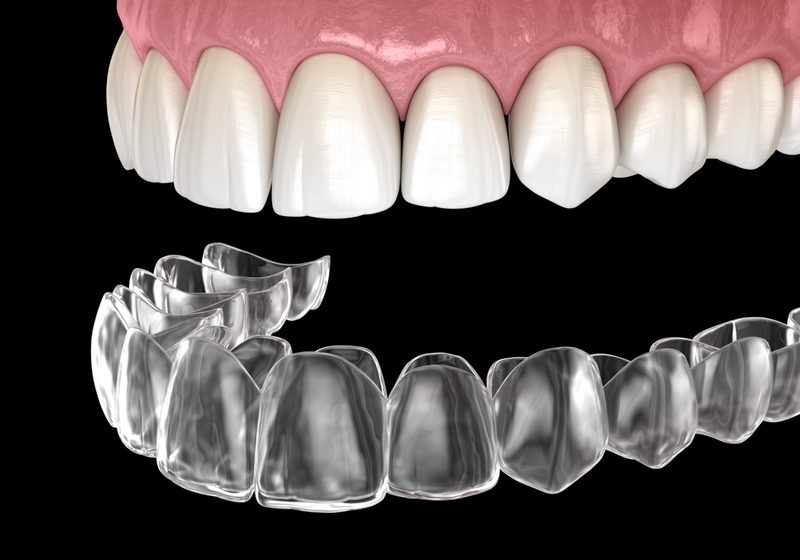
How Does Invisalign Work?
How Long Does Treatment Take?
Treatment length varies depending on the complexity of your case:
- Mild cases: As few as 3 to 6 months
- Moderate cases: Typically 12 to 18 months
- Complex cases: Up to 24 months or more
Your provider will give you a personalized estimate after reviewing your records.
What Can You Expect During Treatment?
Invisalign is generally well tolerated, but there are a few things to anticipate:
- Mild pressure or soreness for the first day or two after switching to a new set of aligners — this is a sign the aligners are working
- A slight lisp when you first begin wearing aligners, which most patients find resolves within a few days as the tongue adjusts
- Discipline with wear time — the aligners only work when they are in your mouth, so consistency is essential
- Increased attention to oral hygiene — because aligners are removed for meals, there is no restriction on what you eat, but it is important to brush before reinserting them to avoid trapping bacteria against your teeth
Caring for Your Aligners
- Rinse aligners with lukewarm water every time you remove them
- Clean them daily with a soft toothbrush and clear, unscented soap — avoid toothpaste, which can scratch and cloud the plastic
- Store them in their case whenever they are not in your mouth to avoid loss or damage
- Never expose aligners to hot water or heat, which can warp the plastic and affect the fit
Invisalign is a comfortable, flexible, and highly effective way to achieve a healthier, straighter smile — often without anyone noticing you are in treatment at all. Your dental team will be with you every step of the way to make sure you get the results you are looking for.